

When I first walked the ghats of Varanasi in the early 2000s, what struck me was not just the architecture or the river rituals — it was the way people’s lives, hopes, griefs, and devotions intertwined with the stones, the Ganges, the bells. Spiritual tourism in India is less about sightseeing; it is about immersion, pause, surrender, renewal.
In recent years, this form of travel has shown strong growth. According to MakeMyTrip’s Pilgrimage Travel Trends 2024-25 report accommodation bookings across 56 pilgrimage destinations rose by 19 %. Many destinations saw double-digit growth, with some over 25 % growth. Another data point: OYO’s booking data (Aug-Oct 2022) showed Shirdi increased 483 % in spiritual destination bookings versus previous year, Tirupati 233 %, Puri 117 %.
Why this surge? Domestic travellers are rediscovering their spiritual roots. International visitors are drawn not just by monuments but by yoga, meditation, rituals, pilgrim trails. Many seek spiritual education, healing, or simply a reconnection.
In what follows I’ll walk you through 10-12 major spiritual destinations in India, each offering something deeply different, share my field stories, guide you on how to plan, when to go, what to avoid, and how to experience beyond the obvious.
Major Spiritual Destinations: Significance, Access, Rituals & Insider Tips
Below are spiritual hubs each with history, atmosphere, ritual, challenge, and reward. I have visited most, planned tours, stayed in pilgrim lodges, spoken with local priests and pilgrims.
1. Varanasi (Kashi), Uttar Pradesh
Why it matters
One of the oldest living cities in the world. For many Hindus, dying in Kashi or having ashes immersed in the Ganges is a spiritual ideal. The constant cycle of life and death, ritual bathing, nightly Ganga Aarti, temple processions, the labyrinthine alleys full of incense and chant — nothing else quite matches.
Accessibility
Varanasi is well connected by air (Lal Bahadur Shastri Airport), rail (major junctions from Delhi, Kolkata, Mumbai), and road. From Delhi by train ~12–14 hours, by flight ~1.5 hours.
Unique experiences
Pre-dawn boat ride on the Ganges: bathing, puja, sunrise light playing on the ghats.
Ganga Aarti at Dashashwamedh in evening.
Night walk through old city alleys, exploring small temples, candle shops, silk weaving.
Participating in rituals such as offering lamps, donating food to pilgrims.
Insider tips
Best time is October to March when weather is cooler and river flow is more stable. Avoid months of heavy monsoon.
Stay as close to the ghats as possible to soak in sound (bells, chants) and smell (flowers, incense) in the early morning.
Hire guides adept at stories of local saints, untold histories of temples beyond the main ones.
2. Tirupati, Andhra Pradesh / Tirumala
Why it matters
Tirupati (Sri Venkateswara Temple) is among the most visited temples in the world. The faith that devotees bring is intense — many undertake long waits, special vows, offerings (tonsure, dana) to fulfil prayers. The Brahmotsavam and other festivals bring huge crowds.
Accessibility
Tirupati city is ~14 km from Renigunta airport. Chennai (~145 km), Bangalore (~248 km), Hyderabad (~556 km) are connected by road and rail.
Unique experiences
Early darshan sessions; night darshan offers a different emotional vibration.
Special sevas (ritual services) such as “Suprabhatam”, “Kalyanotsavam”.
Pilgrimage packages combining Tirupati with nearby Divya Desams, temples in South India.
Local food offerings: Tirupati laddu, temple prasadam.
Insider tips
Book darshan well in advance via TTD portal. If possible go mid-week to avoid festival surges.
Best time is September to February. Many devotees prefer early morning slots to avoid crowd and heat.
Consider staying in Tirumala rather than Tirupati to experience the temple’s rhythms (bells, lamps) early morning.
3. Kedarnath, Uttarakhand (Char Dham Yatra)
Why it matters
Kedarnath is one of the twelve Jyotirlingas and part of the larger Chardham circuit. Its remote Himalayan location makes it physically demanding and spiritually profound. Standing before the snow-capped peaks, in the thin air, after trekking, the darshan acquires a different weight.
Recent data & significance
In the Kedarnath Yatra of 2025, over 11.4 lakh pilgrims visited the shrine in 48 days since its opening on May 2. That yielded approx ₹300 crore in local economic activity via heli services, horse/mule transport, lodging and eateries.
The combined Badrinath-Kedarnath pilgrimage in 2024 had over 30.87 lakh pilgrims.
Accessibility
Nearest railhead: Rishikesh / Dehradun, or Haridwar. From these, road journeys to Sonprayag (for Kedarnath) followed by trekking (≈ 20-22 km) or heli ride. The trek is steep in parts, sometimes crowded.
Unique experiences
Trek through mountain valleys, rivers, alpine meadows.
Night spent in pilgrim camps under Himalayan stars.
Early morning darshan of Kedarnath temple with sunrise over peaks.
Interaction with local pilgrims, porters (mules/ponies), yak vendors, seeing local rituals.
Insider tips
Best season: May to July and then post-monsoon (September) when weather is more stable. Monsoon months (July/August) bring landslides risk.
Use heli services or registered porters if not physically fit.
Try to schedule darshan in early morning to avoid long wait times.
Carry layered clothes, good trekking shoes, medicines for altitude.
4. Vaishno Devi, Jammu & Kashmir
Why it matters
Vaishno Devi is one of India’s most loved cave shrines. For many devotees it is an act of faith and penance to trek up the Trikuta Hills, offer prayers in the cave, and return. The journey becomes part of the spiritual experience.
Recent data
In 2024 nearly 94.83 lakh pilgrims visited the shrine — the second highest number in a decade.
Accessibility
Base camp is Katra (Reasi). From Jammu by car or train to Katra, then trek (~12-14 km) or use battery vehicles, horses, palanquins, or helicopter services depending on ability.
Unique experiences
Trek route through scenic hills, resting at small dhabas, stopping over night, community meals.
Sheer devotion in the act of the climb; ritual of “aarti” and offering in cave.
Skywalk, view platforms recently built adding new perspectives.
Festival of Navratri draws special crowds, special rituals.
Insider tips
Avoid peak season’s first weeks (May, September) if possible; go mid-week.
Book accommodation in Katra ahead of time.
Rest well before starting the trek; pace is important.
Alternative routes and battery support vehicles can ease journey for elders.
5. Amritsar (Golden Temple), Punjab
Why it matters
Golden Temple (Harmandir Sahib) is both a spiritual and humanitarian centre. Devotees come not only to see its beauty but to feel its peace: the constant recitation of scripture, the volunteer langar feeding tens of thousands daily, the calm in the early morning darshan.
Accessibility
Sri Guru Ram Dass Jee International Airport is in Amritsar. Excellent rail connections from Delhi, Mumbai, Chandigarh. Road connections are good.
Unique experiences
Early morning Amrit Vela (pre-dawn) darshan at Golden Temple.
Participate in langar service volunteering.
Evening Palki Sahib ceremony where the holy book is taken in procession.
Explore Partition Museum, Wagah border, explore Punjabi spiritual music tradition.
Insider tips
October-March is ideal; summers get hot, monsoon wet.
Stay near the old city to walk to temple.
Visit the temple both in the morning and evening to feel difference in atmosphere.
6. Rishikesh, Uttarakhand
Why it matters
Called “Yoga Capital of the World” and gateway to the Himalayan pilgrim trail. Meditation, ashrams, yoga retreats, Ganges purification rituals. For those seeking spiritual transformation, Rishikesh offers both pilgrimage and wellness.
Accessibility
Nearest airport Dehradun (Jolly Grant), connected by road (~1-2 hours). Rail connections to Haridwar, from where many pilgrims proceed by road.
Unique experiences
Ashram stays for meditation, yoga teacher training.
Ganga Aarti at Triveni Ghat.
River rafting & adventure interspersed with spiritual practices.
Visiting ancient temples (Neelkanth, Kunjapuri etc.).
Insider tips
Best time: February-April or September-November. Monsoon can bring high water in Ganges and risk.
If staying in ashram, check credentials (genuine lineage, teacher credentials).
Avoid big tourist crowds if seeking peace; choose smaller ashrams off the main road.
7. Puri, Odisha
Why it matters
One of the Char Dhams of India. Jagannath Temple, with its Rath Yatra festival, is deeply symbolic. The temple rituals, the beach, sea food, coastal culture, pilgrim hospitality are unique.
Accessibility
Nearest airport: Biju Patnaik International Airport in Bhubaneswar (~60-70 km). Rail and road good.
Unique experiences
Witnessing daily rituals inside Jagannath Temple (though darshan rules strict).
Rath Yatra (once a year) is spectacular for its devotion, color, crowds.
Explore temple town, local crafts (uls, Pattachitra).
Early morning walk on Puri beach, view sunrise, ocean bath.
Insider tips
Visit outside the monsoon (October to March) for pleasant climate.
If visiting during Rath Yatra, plan well ahead for lodging, transport.
Respect temple timings, dress codes.
8. Shirdi, Maharashtra
Why it matters
Home of Sai Baba, whose message of universal love, equality and simplicity attracts many from all religions. The temple town has evolved but retains humble devotion.
Accessibility
Nearest airports: Aurangabad / Mumbai / Pune with road/rail connections. Shirdi has its own railway station.
Unique experiences
Early morning aarti, offering prasad.
Cleaning and sevas by devotees.
Evening rituals, Mahaprasad, participation in Seva (volunteer tasks).
Explore Sai museum, visit Dwarkamai, Samadhi Mandir.
Insider tips
Avoid peak festival days (Guru Purnima, Ram Navami, Vijayadashami) unless that is your goal to witness crowd.
Stay close to temple to avoid traffic.
Combine with a tour of the Deccan spiritual circuits or caves nearby (Ajanta, Ellora) for broader experience.
9. Bodh Gaya, Bihar
Why it matters
Bodh Gaya is the place where Siddhartha Gautama attained enlightenment under the Bodhi Tree. For Buddhists around the world this is sacred. Even non-Buddhists feel a sense of profound calm there.
Accessibility
Nearest airport: Gaya Airport. Rail and road connections from Patna, Kolkata.
Unique experiences
Participate in meditation sessions in monasteries of different Buddhist traditions (Thai, Burmese, Tibetan etc.).
Walking the bodhi tree gardens, visiting the Mahabodhi Temple (UNESCO site).
Attend Buddhist festivals, teachings, alms offerings.
Insider tips
Best time: November-February to avoid heat and humidity.
Stay in monasteries for a few nights rather than in hotels; morning chants, meditation will be richer.
Avoid Wesak / Buddha Purnima if you want quieter times; though festivals are spiritually powerful.
10. Madurai, Tamil Nadu – Meenakshi Amman Temple
Why it matters
Madurai has been a major center of Tamil culture, ritual, poetry, and temple architecture for over two millennia. Meenakshi Temple is not only architecturally stunning with its gopurams, sculptures, water tanks but also a living temple with vibrant festivals, rituals, evening processions, and music.
Accessibility
Madurai Airport has domestic flights; good rail and road connections across Tamil Nadu and Kerala.
Unique experiences
Participate in evening arti and street processions around the temple complex.
Visit local markets, try the region’s cuisine (idiyappam, jigarthanda).
During festivals like Chithirai (Meenakshi-Sundareswarar marriage festival) or Navaratri, the city pulses with color, ritual, dance, performance.
Insider tips
Best months: October to March. Summer is hot and humid.
Stay close to temple complex to avoid daily commute.
Hire local temple guides who can explain iconography of sculptures.
Comparative View: North vs South, High Footfall vs Retreats, Ancient vs Modern
To plan well, it's helpful to compare:
ComparisonTraits North India Spiritual CircuitTraits South India / Retreats / Lesser Known SitesClimate & SeasonColder winters, heavy summers, monsoon less impact (except Himalayas)More humidity in coastal south, monsoon impact major in some southern circuits, tropical heatArchitecture & Ritual StyleFortified temples, cave shrines, Himalayan dhams, Vedic ritual stylesDravidian temple architecture, rhythmic temple music, local dance rituals, elaborate festivals, tropical ashramsFootfall & InfrastructureVery high in major pilgrimage spots (Vaishno Devi, Kedarnath, Amritsar, Varanasi) – crowd management criticalSome temples less crowded, better for people seeking calm; retreats and ashrams offer immersive staysCost vs PremiumCost may be moderate to high due to crowd, transport, lodging; premium offerings for comfort, helicopter, quick darshanSouth circuits or monastery stays may offer more calm, less cost but sometimes premium for curated experience
Trends in Spiritual / Pilgrimage Tourism in 2025
Through planning many tours and watching market data I see these emerging trends:
Wellness + Spiritual hybrid
Pilgrimages are being combined with yoga, meditation, ayurveda or simple detox retreats. Spirituality plus well-being.Technology & infrastructure improvements
Better online registration, helipads for senior pilgrims, ropeways (for example proposed ropeway link at Kedarnath between Sonprayag and Kedarnath to cut down journey time from many hours to ~36 minutes) are game changers.Safety, comfort and eco-friendliness
Pilgrimage boards are improving medical facilities, rest houses, waste-management systems. Environmental concerns are also coming into sharper focus.International interest & pilgrimage as events
Festivals like Kumbh, Rath Yatra, Amarnath are drawing global visitors. Visa application data shows 21.4 % growth for Varanasi, Rishikesh, Haridwar etc tied to pilgrimage events.Offpeak pilgrimages / slow pilgrimage
More travelers prefer visiting outside major festival seasons to avoid crowds, to meditate, to stay longer. Retreats, monastery stays, walking pilgrim trails are being sought.Curated pilgrimage experiences
Tour operators offering packages that include spiritual practices, rituals, history, local food, artisan visits, overnight stays in dharamshalas or temples rather than hotels.
Practical Guidance for Pilgrims and Spiritual Travellers
From my years of leading trips, here are what you must-do tips to make your spiritual travel more meaningful, comfortable, and safe.
Plan with season in mind: Avoid monsoon in Himalayan regions; avoid extreme heat in plains.
Advance booking for major shrines: Vaishno Devi, Tirupati, Kedarnath etc get huge crowds — booking darshan online, accommodation ahead, transport etc saves time and stress.
Physical preparation: Some pilgrimages involve trekking, altitude, long queues. Evaluate your stamina, pack proper gear, medicines.
Stay close to the site: For deeper spiritual experiences, staying within or next to temple town or ashram helps catch early morning aarthi, local chants, quiet before dawn, which often are the most powerful moments.
Respect local customs and dress codes: Many temples require covered shoulders, no shoes, head covered. Be mindful of behaviour, photography rules.
Engage with locals: Priests, pilgrims, vendors, tea-shop owners often have stories and insights that are not in guidebooks.
Pace yourself: Allow rest days, buffer time. Overcommitting many sacred sites in short span can dilute experience.
Stories from the Trail
I remember during a trip with a small group of pilgrims to Kedarnath in 2018, one elderly woman insisted on walking the last few kilometers even though she had options of pony or helicopter. She said she needed each step to feel the devotion. She arrived tired, but her quiet tears at darshan were among the most powerful moments I have ever witnessed.
Another trip to Bodh Gaya I had the privilege of staying in a Tibetan monastery. I woke before dawn, listened to the monks chanting, joined them for tea and meditation. The foreign pilgrim next door said that moment of silence in pre-dawn chilled air was more transformative than any view she saw.
These moments are why spiritual tourism is different from regular travel. It is not only seeing but feeling, not only visiting but transforming.
Future Outlook: Why Spiritual Tourism Will Continue to Grow
Looking ahead, I believe spiritual tourism in India has a strong upward trajectory. Some reasons:
India’s cultural heritage is deep and diverse; no shortage of temples, pilgrim circuits, sacred towns. As global travelers seek meaningful travel, India fits the bill.
Governments are recognizing pilgrimage tourism as economic and cultural growth engines — investing in infrastructure, connectivity, lodging, digital access.
Sustainability, wellness, slow travel trends are aligned with spiritual tourism. Travelers no longer want just photo ops; they want ritual, silence, interiority.
Curated pilgrimage packages which combine history, ritual, interaction, and comfort will differentiate agencies. Travelers will pay for authenticity + convenience.
Also social media and influencer storytelling around spiritual retreats, lesser known pilgrimage trails will bring more places into public awareness (for example, temple trails in Northeast India, tribal spiritual traditions).
Conclusion
Spiritual tourism in India is a tapestry of faith, ancient stones, cold mountain air, river chants, hearty meals, ritual, and silence. Visiting Varanasi, Tirupati, Kedarnath, Vaishno Devi, Amritsar, Rishikesh, Puri, Shirdi, Bodh Gaya, Madurai and others offers not only pilgrimage but insight into how belief, culture, history and human longing continue to shape life.
If you are planning such a journey I encourage you to move beyond just listing temples. Choose a travel agency or operator who knows the rhythms: early dawn rituals, guide who can explain symbolism, lodging that doesn’t sap your energy, route that respects your body and spirit.
For spiritual travellers from Chennai or other metros, working with a company such as Ruuraa Holidays, the best travel agency in Chennai ensures you have comfort and authenticity hand in hand. They can arrange your darshan-timing, transport, ritual timings, local guides, meditation sessions so the pilgrimage becomes renewal not rush.
In 2025 and beyond spiritual tourism in India promises not just crowds but deeper journeys. And travellers who seek with their hearts, as well as their eyes, will leave marked by what they see, hear, scent, touch and pray.
For more travel blogs, check below
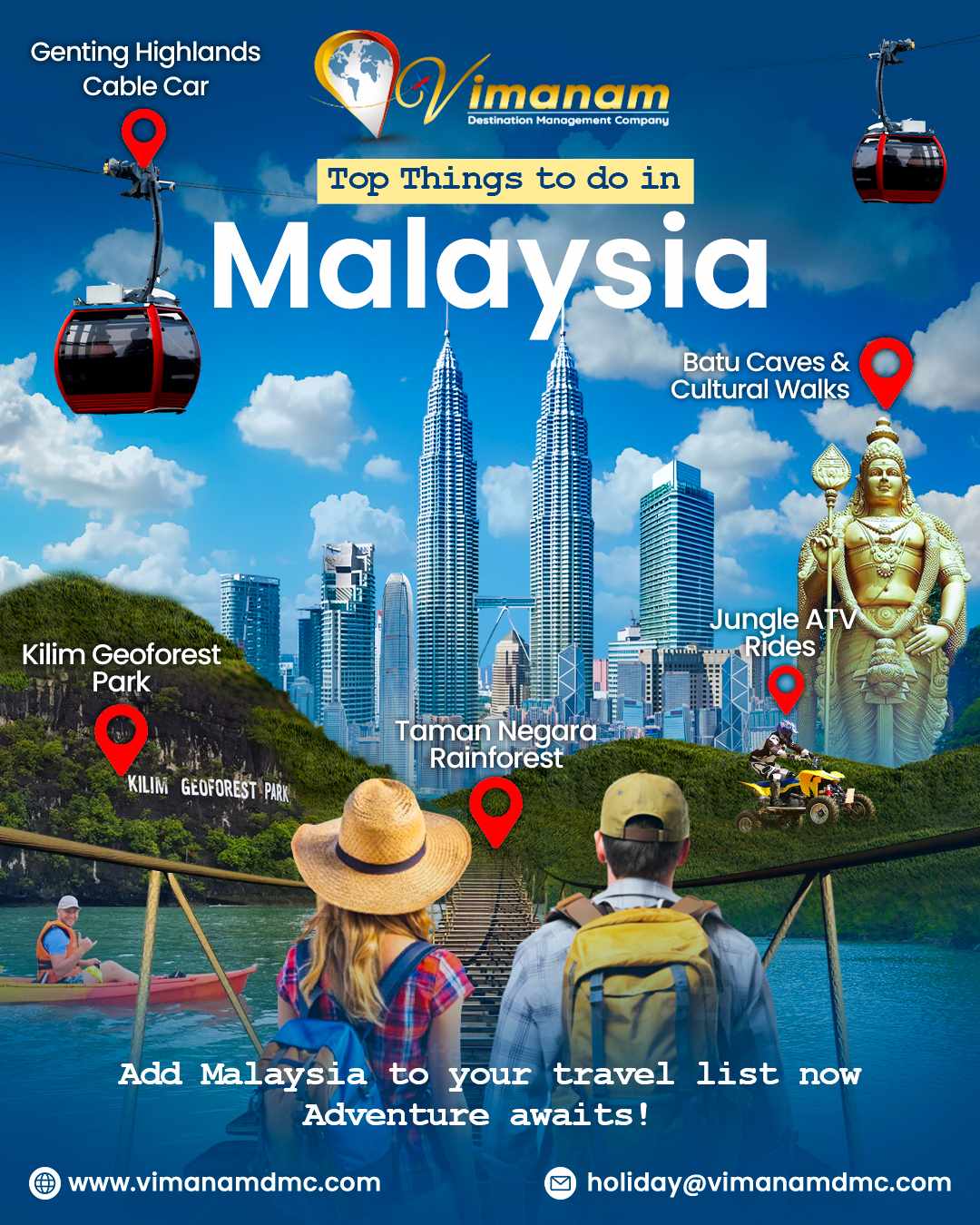
4 Days Malaysia packages
Malaysia trip from Chennai
4 Days Singapore tour package
Thailand 7 days package
Bali itinerary 6 days










Write a comment ...